



 Popular Categories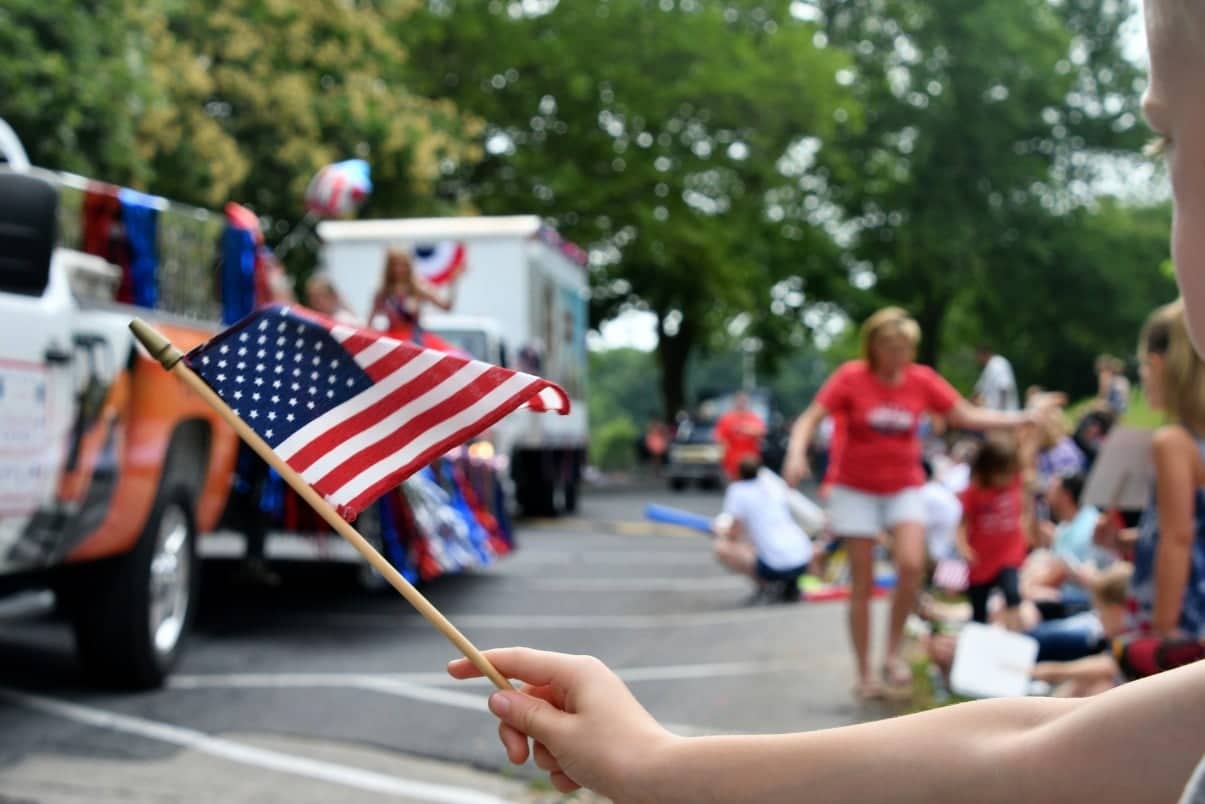
Serving While Others Celebrate: July 4th Through the Eyes of First Responder Families
For most Americans, the Fourth of July means backyard cookouts, fireworks, and time with family. For the families of police officers, firefighters, EMTs, and dispatchers, it often means something different — a cookout that starts early to beat the shift, fireworks watched from a distance hoping to catch a glimpse of a spouse in uniform, and children learning, sometimes before they're old enough to fully understand, that their parent's duty to the public doesn't pause for holidays. This is the Fourth of July through the eyes of first responder families — and it is a story worth telling.
While You're Watching Fireworks, They're Working
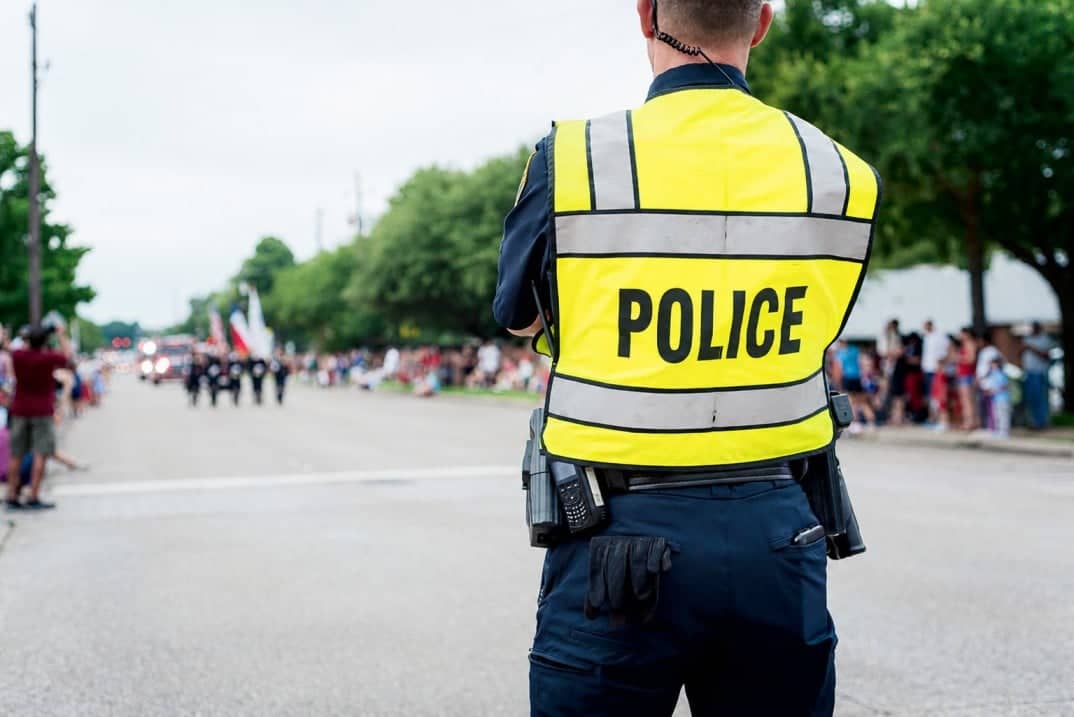
Every Fourth of July, as millions of Americans gather on blankets in parks, crowd onto boardwalks, and fill stadium parking lots waiting for the sky to light up, law enforcement officers and firefighters are already in position. They are standing on parade routes, managing crowd control at fireworks displays, responding to calls, and keeping the public safe — so that everyone else can enjoy the evening without a second thought.
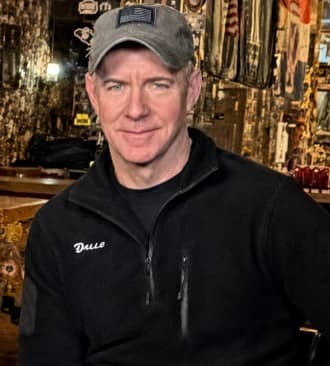
As a retired NYPD Detective with 30 years of service, it's a reality that I know deeply and personally. July 4th has always been a special holiday for me. It marks the beginning of summer, my favorite season, and brings with it so much of what makes life memorable: celebrating the freedom of this great nation, backyard BBQs, games with family and friends, beach days, parades, fireworks, and countless moments that become lifelong memories.
Serving as a member of the NYPD was the greatest honor of my life, but that honor often came with sacrifice. While so many families were enjoying all the traditions that make Independence Day so special, I was often out on the streets, working to ensure others could celebrate safely. More often than not, my family celebrated without me. That is the reality for police officers and their families.
This is a reality that many law enforcement officers and their families quietly endure year after year. The holiday that celebrates American freedom is, for first responders, one of the busiest and most demanding days on the calendar.
The Families Behind the Badge: Adjusting, Adapting, and Carrying On
Behind every officer standing post at a fireworks show is a family at home — or in the stands — making it work. First responder families have quietly mastered the art of celebration on a flexible schedule, finding ways to honor the holiday without requiring the actual date on the calendar to cooperate.
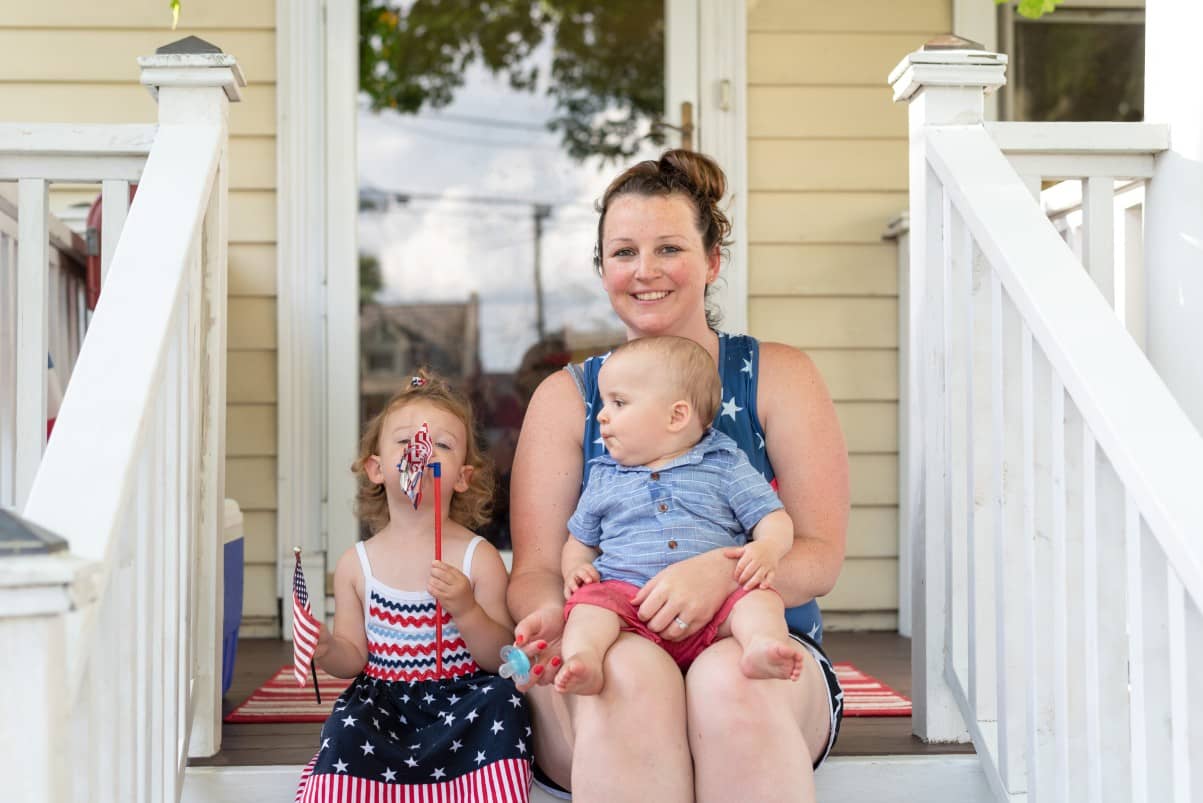
For nearly 20 years, Rebecca, known to many as Proud Police Wife, has experienced firsthand what it means to build family traditions around the unpredictable demands of law enforcement. Through 18 years of Fourth of July celebrations influenced by shift schedules, overtime, and last-minute changes, she has gained a deep understanding of the resilience and adaptability that define first responder families.
"The 4th of July is usually a mix of celebration and flexibility. We love spending time together, grilling out, watching fireworks, and enjoying the extra family time whenever possible. But in the 18 years that my husband has worked in law enforcement, he has worked on 4th of July more than half of those years. We know holidays rarely go exactly as planned, so we've learned to hold our plans loosely and make the most of whatever time we get together." — Rebecca, Proud Police Wife
That flexibility isn't just logistical — it's a mindset, one that first responder families develop out of necessity and, over time, come to embrace as a source of strength.
"Honestly, we've become experts at celebrating on a different day. Sometimes we do fireworks a day early, have our cookout before a shift starts, or save the celebration for the next day. The date on the calendar matters a lot less than being together. We've learned that making memories doesn't have to happen on the actual holiday." — Rebecca
This kind of adaptability doesn't happen overnight. It's built over years of missed moments, creative workarounds, and the gradual understanding that what makes a holiday meaningful isn't the date — it's the people.
Creative Traditions: Making It Work When Duty Calls
One of the most remarkable things about first responder families is the way they engineer connection even across the divide of a shift schedule. Rather than letting the holiday pass uncelebrated, they find ways to weave the absent family member into the day — and in doing so, teach their children powerful lessons about sacrifice, community, and love.
For some families, that means driving downtown to find their officer in the crowd. Another law enforcement spouse shared this memory:
"We celebrated the 4th of July by taking the kids to meet up downtown and watch the fireworks. Their father was always in constant contact — he'd stop by, give us a moment, or take a lunch break even for 30 minutes. They would have a cookout in an area where they were allowed to bring their families and kids — hotdogs, hamburgers, and quality time together. Conscious efforts were made and we created great memories." — Law Enforcement Spouse
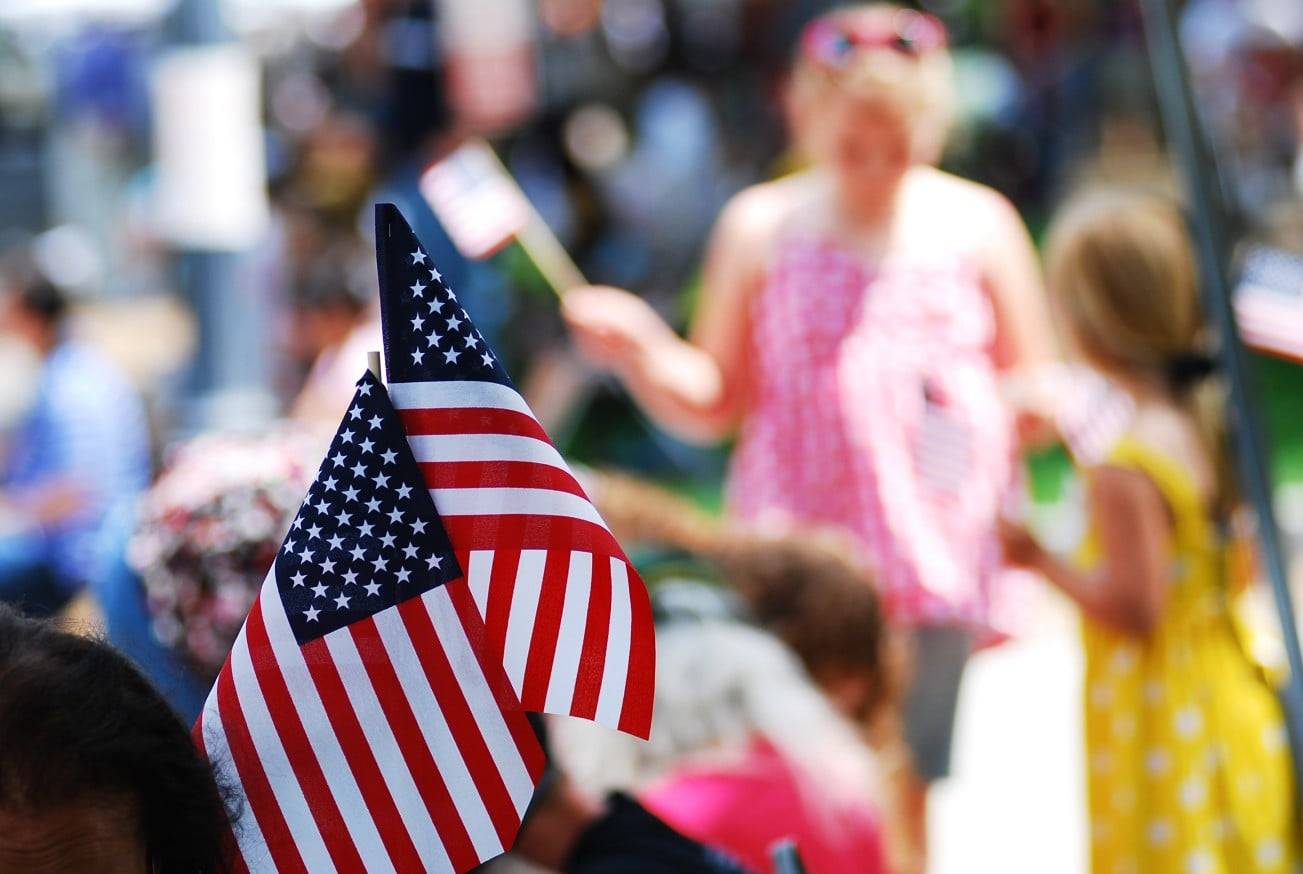
For Rebecca's family, the traditions are smaller and more personal — but no less intentional.
"We don't have a big tradition, but we make it a point to include my husband in small ways throughout the day — whether that is sending photos, making his favorite food and eating before or after his shift, and making sure the kids know we're celebrating together even if we're not physically in the same place at the same time." — Rebecca
Sometimes, those small moments become the most meaningful ones of all. Rebecca recalls occasions when she and the kids would travel to wherever her husband was working — if he was on bike patrol near a fireworks display, for example — just to spend a few minutes together. A brief wave, a quick hug, a shared look across a crowded park. It's enough. It has to be enough.
The Weight Families Carry Every Day — Especially on Holidays
There is something particular about holidays that makes the absence of a first responder feel heavier. Holidays are designed for togetherness. They are the anchors of family memory; the moments children grow up talking about, and parents grow old treasuring. When someone is missing from those moments — not because of distance or conflict, but because they are out protecting others — the ache is real.
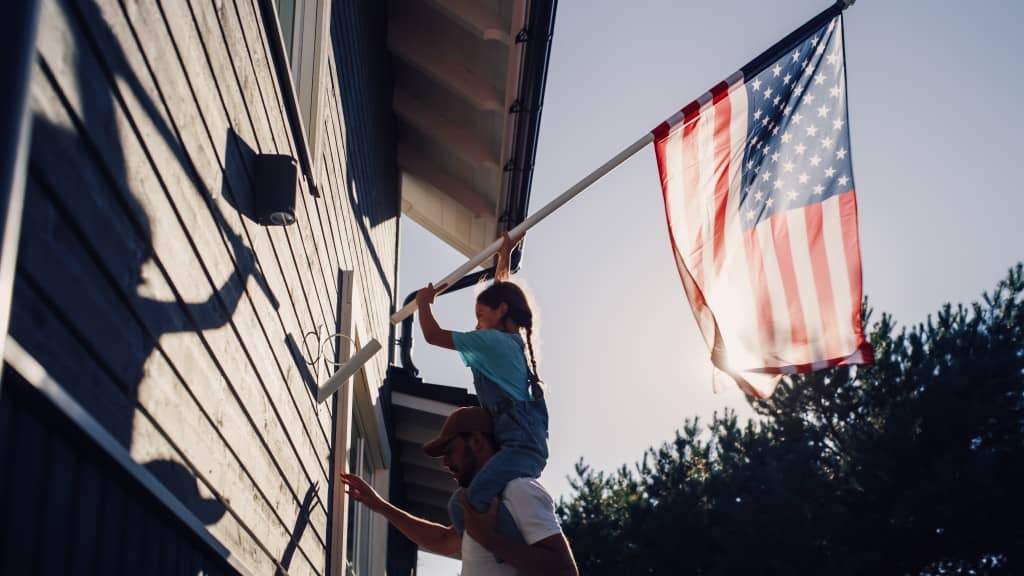
I've said this many times during interviews and public speaking engagements: police officers are human beings. We hurt. We cry. We break down. We cherish time with our families just like everyone else. And when we miss those precious moments, it affects us deeply. One reason holidays mean so much to police families is because they understand a painful truth that many others do not have to carry every day: every time their loved one walks out the door to protect others, there is a chance it could be the last time they see them. That weight lives in the hearts of police families every single day.
It is true that most civilians never have to consciously hold. For first responder families, it is simply part of life — the unspoken backdrop to every goodbye at the door, every unanswered text during a long shift; every scanner alert on a quiet night.
What It Means to Share Your Loved One With a Community
First responder families often describe their experience through a particular lens: that their loved one doesn't just belong to them. They belong, in some sense, to everyone they serve.
Police families come to understand something profound: they share their loved ones with the city, the town, the community, and sometimes the entire country. They make that sacrifice because of our sworn duty to protect others, so that people can live freely and without fear. Police officers will be out there this July 4th, just as they are every holiday, year after year — because that is what we do. We leave our families to protect yours.
That sense of shared duty — willingly given, deeply felt — is at the heart of what makes first responder families extraordinary. They don't just tolerate the sacrifice. They embrace it with clear eyes, because they believe in the work.
Rebecca echoes that same spirit when she reflects on what she hopes the public understands.
"While many families gather around the table or watch fireworks together, first responder families are often making adjustments behind the scenes. We do it willingly because we believe in the work our loved ones do, but it doesn't mean it's always easy. A little understanding goes a long way. Behind every officer, firefighter, dispatcher, EMT, or paramedic is a family making sacrifices too — and we're incredibly proud to support those who serve our communities." — Rebecca
The Unexpected Gifts: Resilience, Gratitude, and Pride
For all the challenges that come with being a first responder family, those who have lived it long enough will also tell you about the gifts. Not the easy gifts — the ones that come with the hard-earned wisdom of years spent holding things loosely, celebrating on different days, and finding joy in smaller moments.
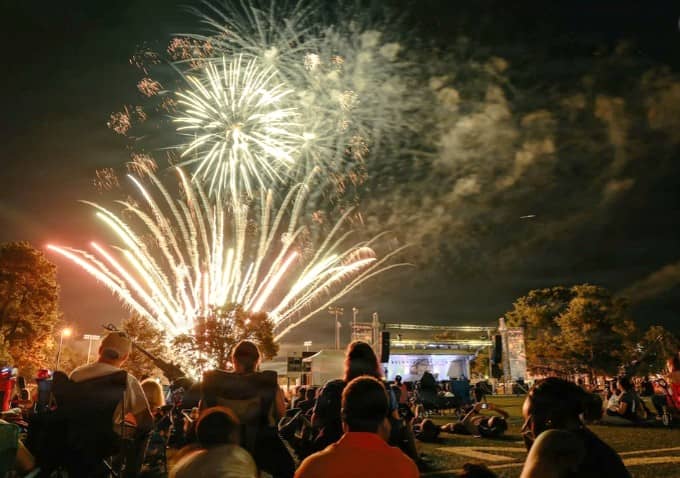
"The biggest challenge is helping young kids understand why dad is working during memorable times and moments. The biggest reward is the deep sense of pride that comes from supporting someone who serves others. Our family has learned resilience, adaptability, and gratitude in ways we may not have otherwise. And now that our kids are getting older, we truly see these qualities in them." — Rebecca
Children raised in first responder families often grow up with an unusually mature understanding of service, community, and sacrifice. They learn early that some people are called to something larger than themselves — and that supporting that calling is its own form of strength.
As you celebrate this Fourth of July, enjoy every moment. And when you see a police officer standing watch at a parade, a fireworks display, or any public event, remember this: they are not with their families. They are with yours. Please take a moment to say two simple words that mean more than you know: "Thank you."
How You Can Honor First Responders and Their Families This Fourth of July
The simplest thing you can do is also the most powerful: acknowledge them. A genuine "thank you" to an officer or firefighter working at a public event on July 4th costs nothing and means everything. But there are other ways to show your support too.
- Say thank you to any first responder you see working at a public event this holiday — at a parade, a fireworks display, or a public gathering.
- Support first responder families by recognizing that the sacrifice extends beyond the individual in uniform.
- Share this story so others understand what Independence Day really looks like for the people who make it safe.
- Honor them year-round with gear, support, and advocacy that matches the service they give every day.
Frequently Asked Questions: First Responders and the Fourth of July
Do police officers and firefighters have to work on the Fourth of July?
Most law enforcement agencies and fire departments require significant staffing on the Fourth of July due to increased public gatherings, fireworks displays, parades, and elevated call volumes. Many officers and firefighters rotate holiday assignments, but working Independence Day is a common reality throughout a career in public safety.
How do first responder families cope with holidays?
Most first responder families develop flexible traditions — celebrating on a different day, adapting plans around shift schedules, and finding creative ways to include their working family members from a distance. Community support through organizations like the FOP (Fraternal Order of Police) and strong peer networks among law enforcement spouses also play a significant role.
What can the public do to support first responders on holidays?
The simplest and most meaningful gesture is acknowledgment. A sincere "thank you" to an officer, firefighter, EMT, or dispatcher working at a holiday event costs nothing and resonates deeply. Beyond that, supporting first responder advocacy organizations and understanding the sacrifices these families make year-round is a meaningful form of support.
Is there special America 250 gear for first responders marking the 250th anniversary?
Yes. In honor of America's Semiquincentennial on July 4, 2026, Galls carries America 250 commemorative items including the Bear & Son America 250th Folding Knife and related patriotic gear. Wilson Brown has also introduced a limited-edition collection of America 250 dress socks, available in a variety of patriotic designs and colorways. It is a rare, once-in-a-career opportunity for departments to formally mark America's 250th birthday.
Where can law enforcement spouses find community and support?
Communities like the one cultivated by Rebecca (aka Proud Police Wife) and organizations such as Concerns of Police Survivors (C.O.P.S.), Blue H.E.L.P., and local FOP auxiliary chapters offer support, connection, and resources for first responder families.
Related Posts




Disclaimer: The information in this blog post is for general informational purposes only and should not be taken as legal, regulatory, safety, or professional advice. Galls, LLC and its affiliates (collectively, the “Company”) distribute public safety and law enforcement products but do not manufacture the items discussed. All product details are based on manufacturer-provided information and have not been independently verified by Galls. We make no warranties regarding the accuracy or completeness of such information. Readers should consult the respective manufacturer or regulatory authority for the latest details.
For more detailed information, visit our Disclaimer Page.
 Item Added to Cart!
